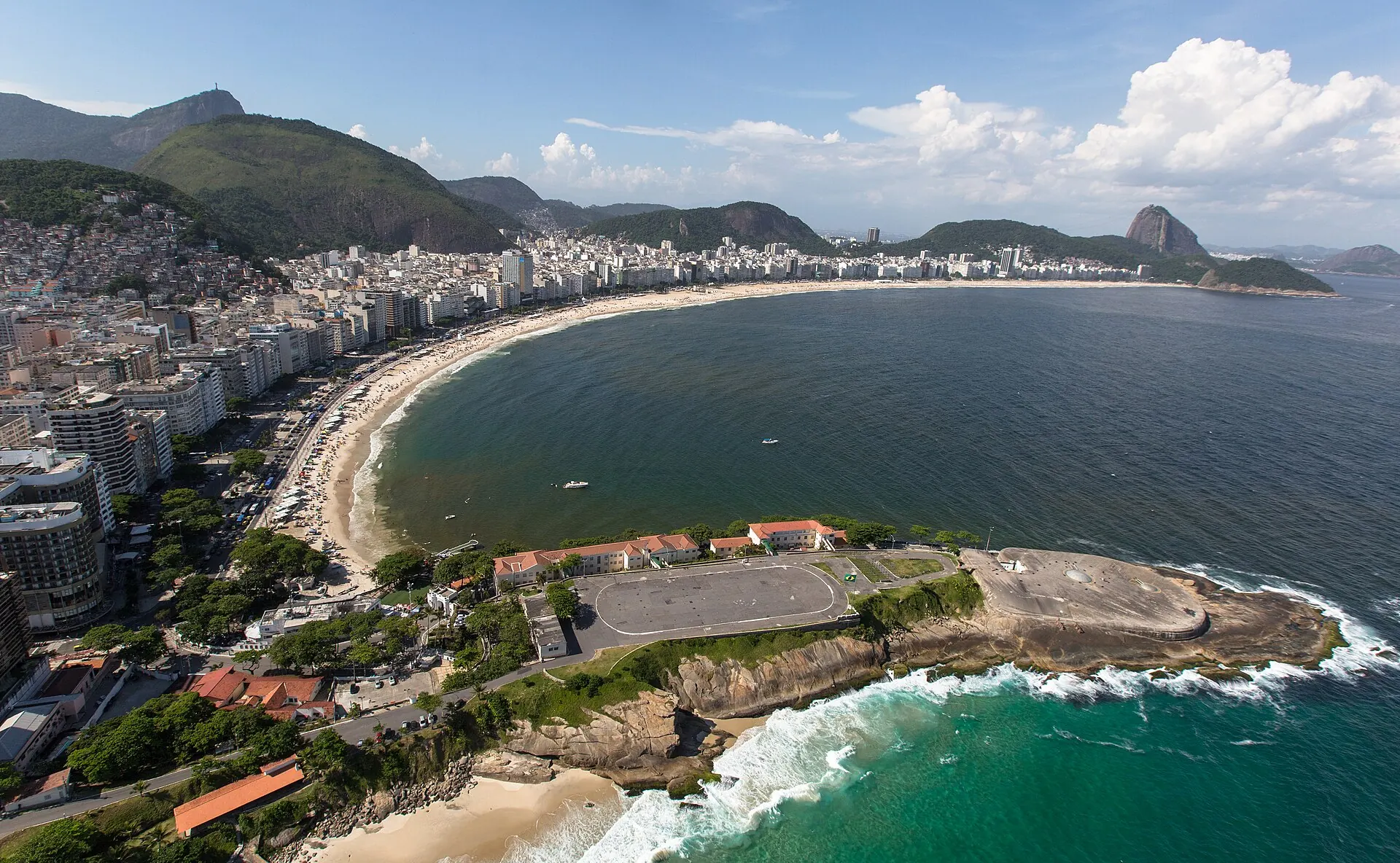
The Forte de Copacabana stands on the point at the beach's southern end, between Copacabana and Ipanema. Behind its gate is a coastal fort inaugurated in 1914, with Krupp guns, tunnels and armoured domes facing the Atlantic, an Army history museum, and two cafés that look back along the beach to Sugarloaf. It makes an easy morning from anywhere on Avenida Atlântica, and it sits right beside the fishermen of Posto 6 and the rock at Arpoador.
- Where
- Praça Coronel Eugênio Franco 1, at Posto 6, the southern end of Copacabana
- Inaugurated
- 28 September 1914
- Opening hours
- Usually Tuesday to Sunday, 10am to 7pm; museum and exhibitions until 6pm
- Tickets
- R$ 10 in 2024, half price R$ 5, free on Tuesdays; paid in cash; check current prices
- Inside
- Army history museum, Krupp guns and armoured domes, two cafés
- Time needed
- About two hours, with coffee
Why there is a fort at Posto 6
Guns have watched over this point since 1763, part of the defences of the entrance to Guanabara Bay. Before the fort was built, the site held the church of Nossa Senhora de Copacabana, and it was that church that gave the whole neighbourhood its name.
The modern fort began with a proposal in 1907 from the war minister, Hermes da Fonseca, to President Afonso Pena. Rio was then the capital of Brazil, and it needed protecting from attack by sea. The fort was inaugurated on 28 September 1914, and at the time it was described as the most modern fortress in South America. Its grounds cover about 114,000 square metres, and the address is Praça Coronel Eugênio Franco 1, at Posto 6.
The guns, the walls and the tunnels
The fort was built as an underground shelter, a real challenge for the military engineers of the day, and the walls on the sea side are 12 metres thick. Its German Krupp guns include two 305 mm pieces with a range of about 23 km, two 190 mm guns and two 75 mm turret guns. Inside, you walk through tunnels to the armoured domes and the big guns pointing out to sea, the part most children remember. From the walls the view takes in the Copacabana waterfront, Sugarloaf and the Pedra do Arpoador.
The 3rd Coastal Artillery Group garrisoned the fort from 1934 to 1987. Its guns were last fired on 11 November 1955, during the events known as the Novembrada, when twelve shots were aimed at the cruiser Tamandaré. The ship was not hit.
The 1922 revolt of the 18 do Forte
The fort's most famous day came in July 1922, in what is remembered as the first tenentista revolt, the uprisings led by young army officers. Some officers opposed Artur Bernardes, who had won that year's presidential election, and their anger boiled over when Marshal Hermes da Fonseca was arrested and the Clube Militar, which he presided over, was closed. They wanted to clean up politics, objected to civilians being put in charge of the military ministries, and demanded the marshal's release.
On 5 July the rebels at Copacabana shelled several military areas from the fort, and government forces fired back, badly damaging the walls. Almost 24 hours of talks with the war minister, Pandiá Calógeras, ended without a surrender. In the end many of the rebels left the fort and gave themselves up, but a small group refused. They walked out and marched along Avenida Atlântica towards the government troops, joined by a civilian, Otávio Correia. They went down in history as the 18 do Forte, although no one is certain how many there were. All but two were killed; Siqueira Campos and Eduardo Gomes survived with serious wounds. The revolt was small, but it planted the seeds of the uprisings of 1924.
The Army history museum
When the artillery left in 1987, the Museu Histórico do Exército moved in. The museum's origins go back to the 19th century; it had several homes around the city, and was closed and recreated, before settling here. Today it is part of the Army's cultural system, run by its heritage directorate, the DPHCEx. Expect armoured vehicles, cannons and objects from Brazil's military past, plus temporary exhibitions and open areas to walk around. The reserve collection runs to about 15,000 pieces, and the oddest of them is a lock of hair attributed to Napoleon Bonaparte, catalogued as a human sample and kept in a case that once belonged to Marshal Castelo Branco. About 650,000 people visit every year.
The cafés inside the fort
Inside the walls are two cafés: a branch of Confeitaria Colombo, the Rio tea house founded in 1894, and Café 18 do Forte. Both are known for their combos for two, the easiest way to order a proper breakfast or an afternoon snack. Their tables look over Copacabana beach, Sugarloaf and Praia do Diabo, so this is where you sit down after the guns, with the whole curve of the bay in front of you. Order a combo for two and take your time.
Tickets and opening hours
Opening hours are usually 10am to 7pm, Tuesday to Sunday. The museum, the fortifications and the exhibitions close at 6pm, and the outdoor areas stay open until 7pm. In 2024 a ticket cost R$ 10, or R$ 5 for those entitled to the half-price meia-entrada, and Tuesdays were free. Payment at the gate was in cash, so carry some notes. The site is accessible to wheelchair users. Weekday mornings are the calmest time to visit, as weekends and holidays draw a queue at the gate. Prices, free days and hours change, and holidays can bring different arrangements, so check before you set out.
Getting there from Copacabana
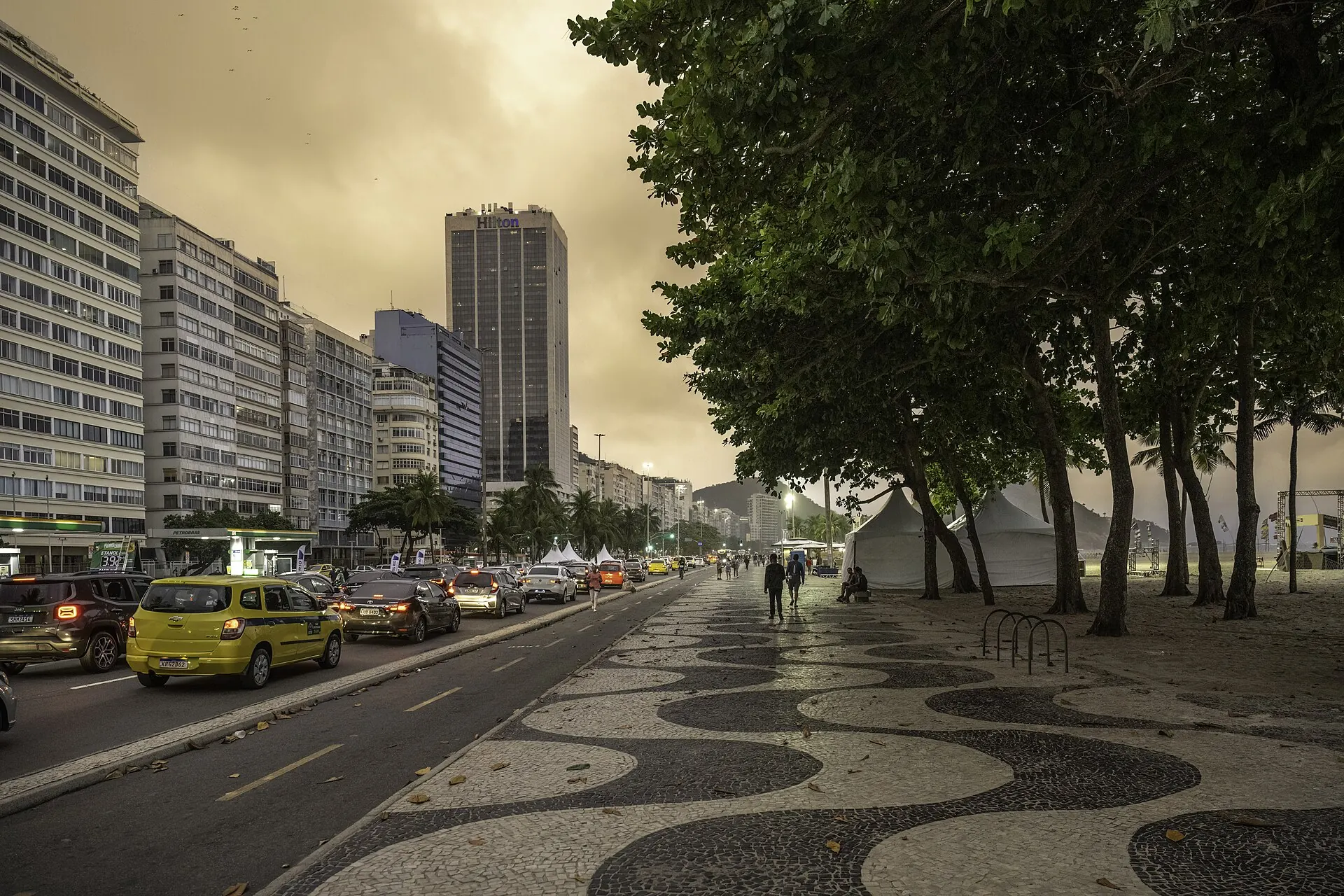
Walk south along Avenida Atlântica until the beach runs out at Posto 6. The gate is on Praça Coronel Eugênio Franco, right on the border between Copacabana and Ipanema. The avenue's seaside lanes close to cars from 7am on Sundays and public holidays, which makes the walk along the front even more pleasant; on other days a taxi or ride app will drop you at the square. The promenade, its lifeguard posts and its flags have their own guide: Copacabana beach and its promenade.
Fitting the fort into a morning
The fort rewards an early start. Begin on the sand at Posto 6 with the Z-13 fishing colony. The fishermen push their boats down the beach on wooden logs, and their market beside the fort grows busier as the boats come back with the day's catch. Be at the gate for the 10am opening. Give the museum and the guns an hour, then sit down at one of the cafés with the beach spread out below you.
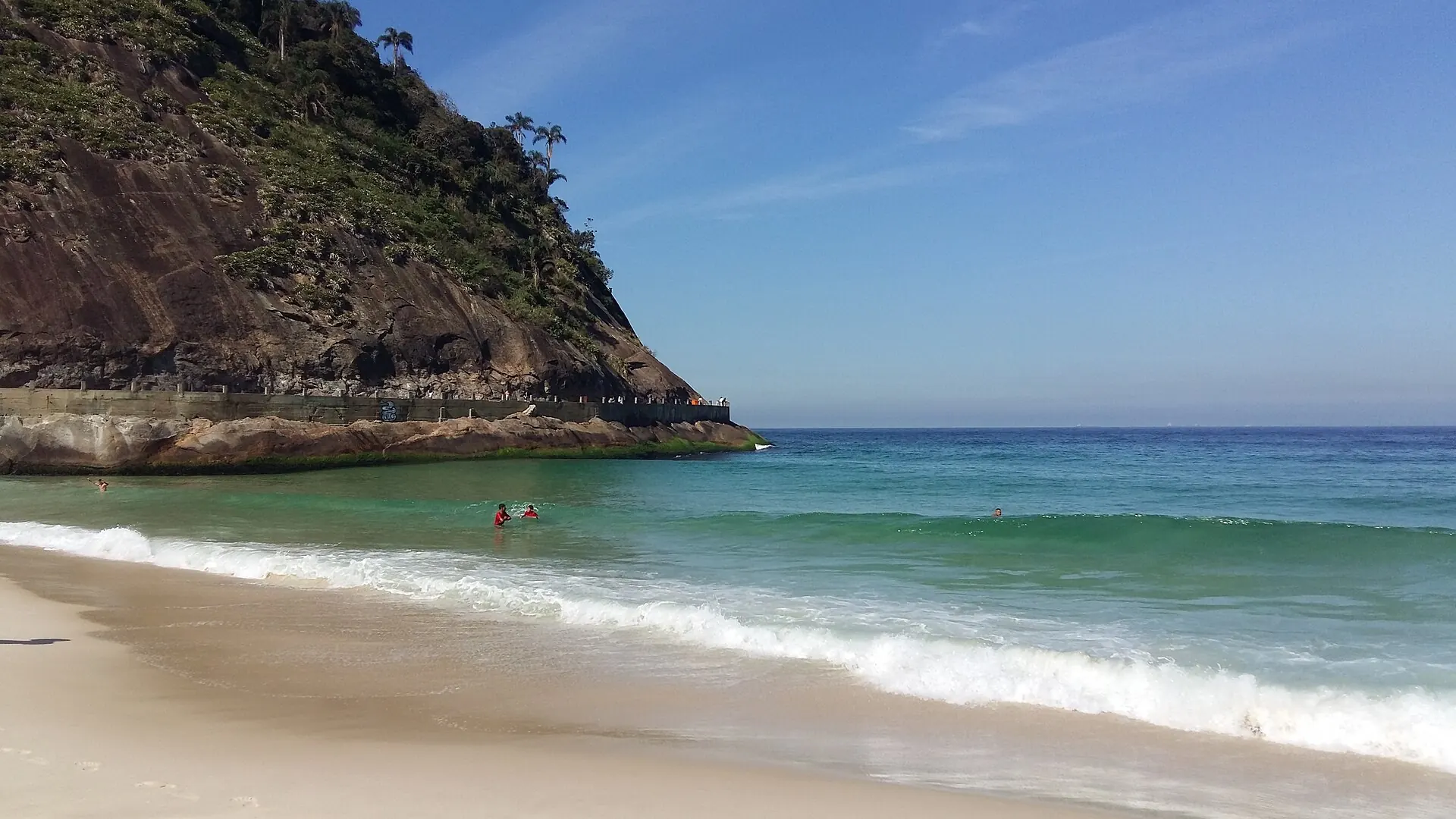
From there, two walks continue the morning. One goes round the point to Praia do Diabo and the Pedra do Arpoador, covered in our Arpoador guide. The other heads north along the whole beach, past the Copacabana Palace, to Leme and its own fort at the far end.
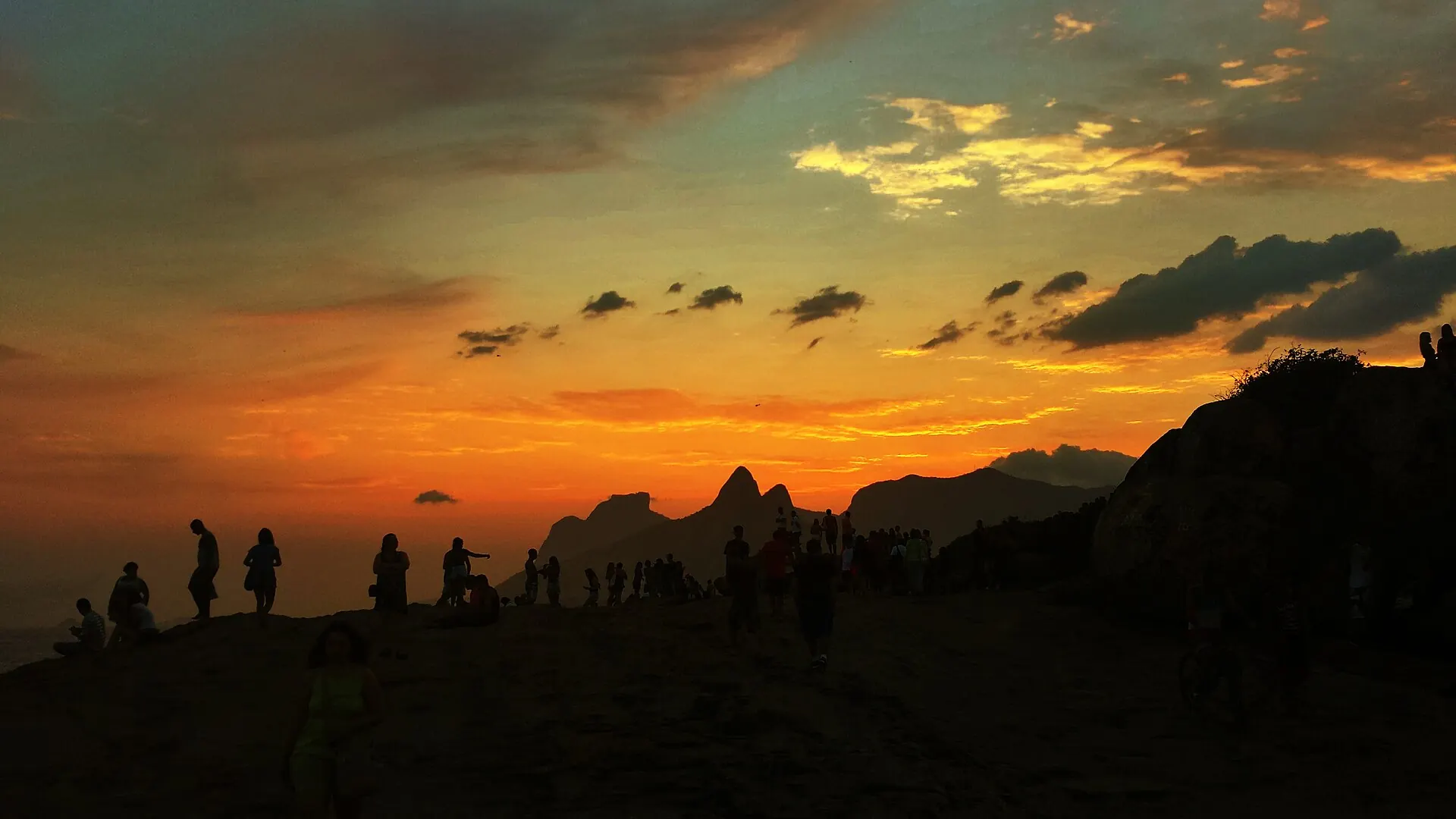
The fort works in the late afternoon too. Arrive in time to see the museum before it closes at 6pm, then pick a spot in the outdoor area, which looks out along the coast, and stay for the sunset; the grounds are open until 7pm. If you'd like a guide to bring the 1922 story to life, the Art de Vivre concierge will book one if you ask, and for help planning a whole stay on the beach, contact us.
Questions
Is the Forte de Copacabana open on Mondays?
Usually not. Normally it is open 10am to 7pm, Tuesday to Sunday, and the museum and exhibitions close at 6pm. Hours can differ on public holidays, so check first.
How much does it cost to visit the Forte de Copacabana?
In 2024 a ticket cost R$ 10, with a half-price ticket at R$ 5, and Tuesdays were free. Payment was in cash. Expect prices to have moved since; carry some notes.
How long should I spend at the fort?
Allow about two hours: an hour for the museum, the tunnels and the guns, and time for coffee at Confeitaria Colombo or Café 18 do Forte, looking back over Copacabana and Sugarloaf.
What happened at the Forte de Copacabana in 1922?
On 5 July 1922, rebel officers at the fort shelled military areas around the city. After almost a day of talks, many gave themselves up, but a small group, the 18 do Forte, marched along Avenida Atlântica to face government troops. Only Siqueira Campos and Eduardo Gomes survived.
Is the fort a good visit with children?
Yes. Children tend to love the huge Krupp guns, the tunnels and the armoured domes, and there's room to walk in the open areas. Wheelchair users can get around the site, which helps with pushchairs too, and the cafés are there for a snack.
Where is the Forte de Copacabana, and how do I reach it?
Walk to Posto 6 at the southern end of Copacabana beach. The gate is at Praça Coronel Eugênio Franco 1, on the border between Copacabana and Ipanema. On Sundays the closed seaside lanes make it an easy walk.
Sources
- Arquivo Nacional, Que República é Essa?: Tenentismo (the 1922 revolt)
- TV Brasil (EBC), Fortes do Brasil: Forte de Copacabana
- Confeitaria Colombo: our units (Centro, Copacabana, CCBB)
- Confeitaria Colombo: our history
- Visit Rio: Forte de Copacabana
- Revista Oeste: Army to hand the Forte de Copacabana to private management (July 2024)
- Revista Sociedade Militar: the Army History Museum and its collection (August 2026)
- Catraca Livre: Forte de Copacabana, hours and tickets (updated July 2024)
- Guia Michelin: Rio's sunset spots (April 2024)
- National Geographic Brasil: the last fishermen of Copacabana, Colônia Z-13 (2019)
- Super Rádio Tupi: COR/CET-Rio traffic scheme, Área de Lazer on Avenida Atlântica on Sundays and holidays (2022)