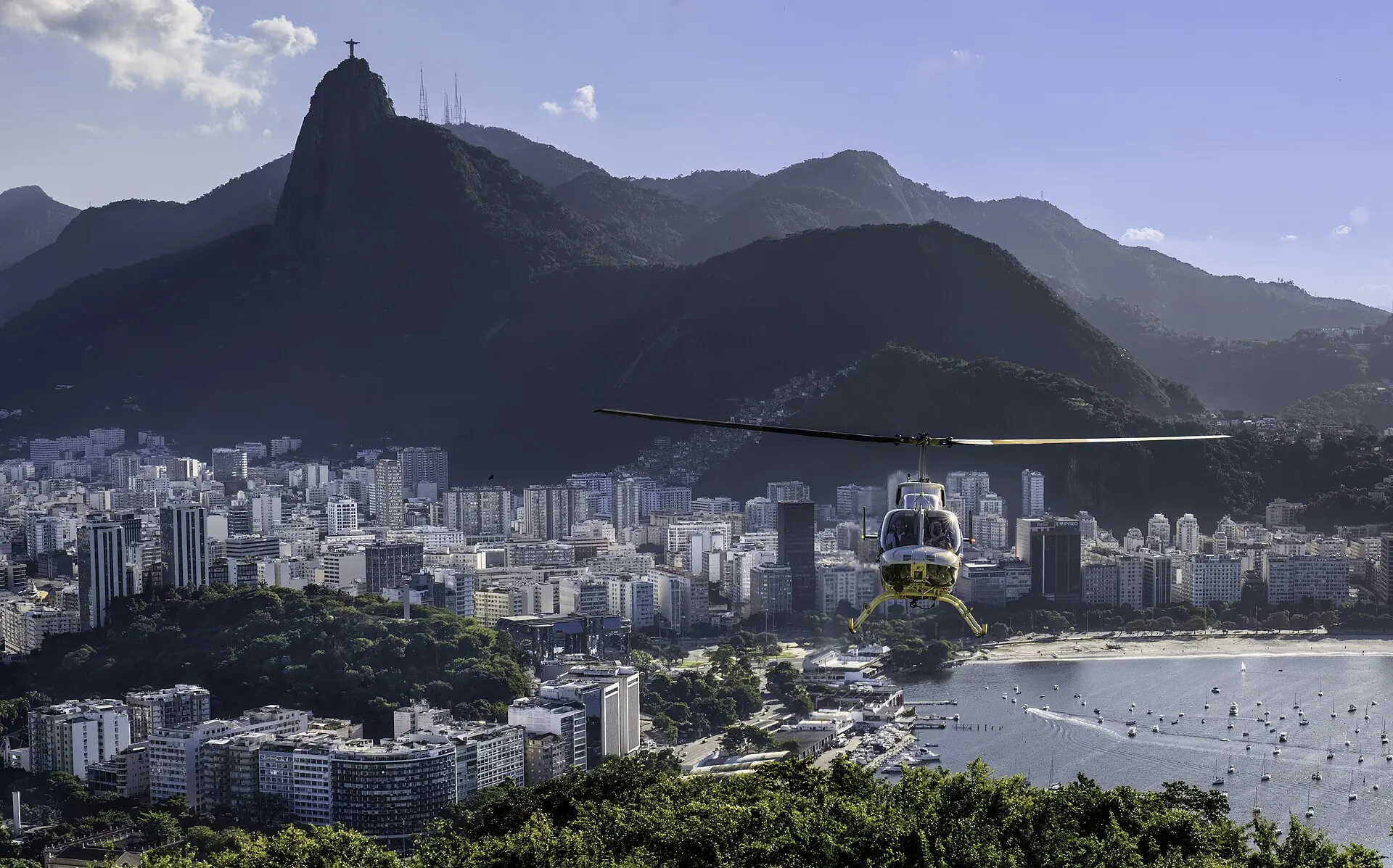
Look inland from Copacabana and the forest on the mountains behind the city is Tijuca National Park. It covers 39.51 km² of the Tijuca massif, takes in Corcovado and the Pedra da Gávea, and much of it grew from trees planted after 1861 on old farmland. A day in the park can take in a waterfall with a Roman-arched bridge in front of it, a small pink chapel with copies of Portinari paintings at the altar, a pagoda lookout over the lagoon and, if you're fit, the climb to the park's highest summit at 1,022 metres. This guide covers the forest's story, what to see in each sector, the park's hours and rules, and how to go from Copacabana.
- Where
- The Tijuca massif above Rio; Floresta sector entrance at Praça Afonso Viseu, Alto da Boa Vista
- From Copacabana
- About 40 minutes by car to the Floresta sector outside rush hour
- Hours
- Usually daily 8 am to 5 pm; Floresta sector on foot or by bike from 6 am
- Highest point
- 1,022 m at the Pico da Tijuca; start the trail by 2 pm
- Size
- 39.51 km² since 2004
- Rules
- No pets, fires, offerings or feeding animals; stay on marked trails
How the forest was replanted
Before it was a park, much of the massif was farmland, and coffee bushes, old buildings and ruined farms can still be found on the trails. In 1861 Dom Pedro II declared the Tijuca and Paineiras forests protected, and the replanting was entrusted to Major Manuel Gomes Archer. On the front line were eleven enslaved Black people with specialist knowledge of the forest: Maria, Eleutério, Constantino, Manoel, Mateus, Leopoldo, Sabino, Macário, Clemente, Antônio and Francisco. In just 13 years more than 100,000 trees were planted, and in 2025 the state legislature added the eleven to Rio de Janeiro's book of heroes and heroines.
Archer's successor, the Barão d'Escragnolle, kept the planting going and, with the French landscape designer Auguste Glaziou, added gardens, bridges, lakes and fountains, mixed native and exotic trees, and named corners of the forest such as the Gruta Paulo e Virgínia, the Lago das Fadas and the Cascata Gabriela. In 1961 most of the massif became a national park, first called the Parque Nacional do Rio de Janeiro and covering 33 km². It took the name Parque Nacional da Tijuca on 8 February 1967, and a federal decree of 4 July 2004 enlarged it to 39.51 km². It ranks as the largest replanted urban forest in the world.
The park's three sectors
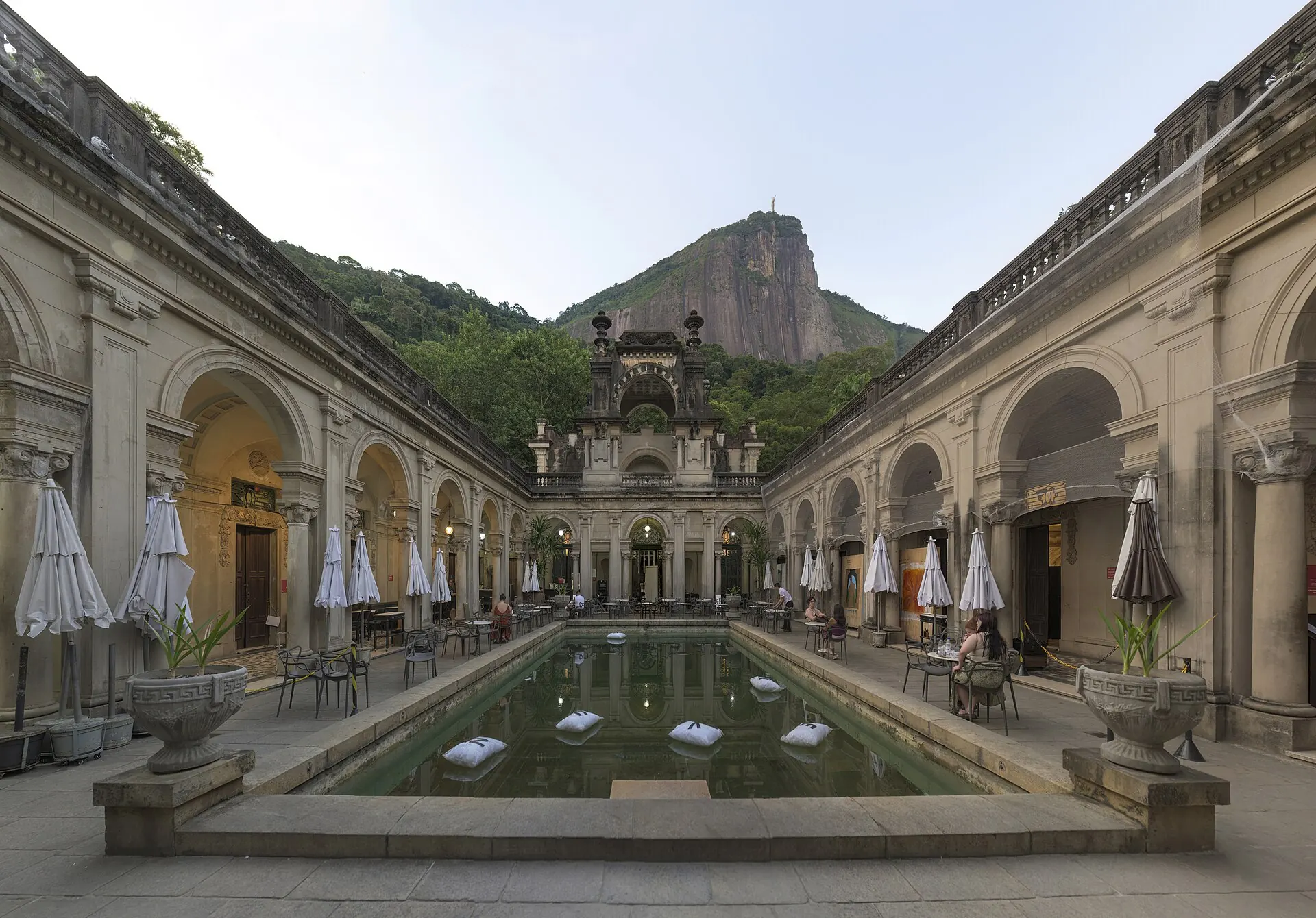
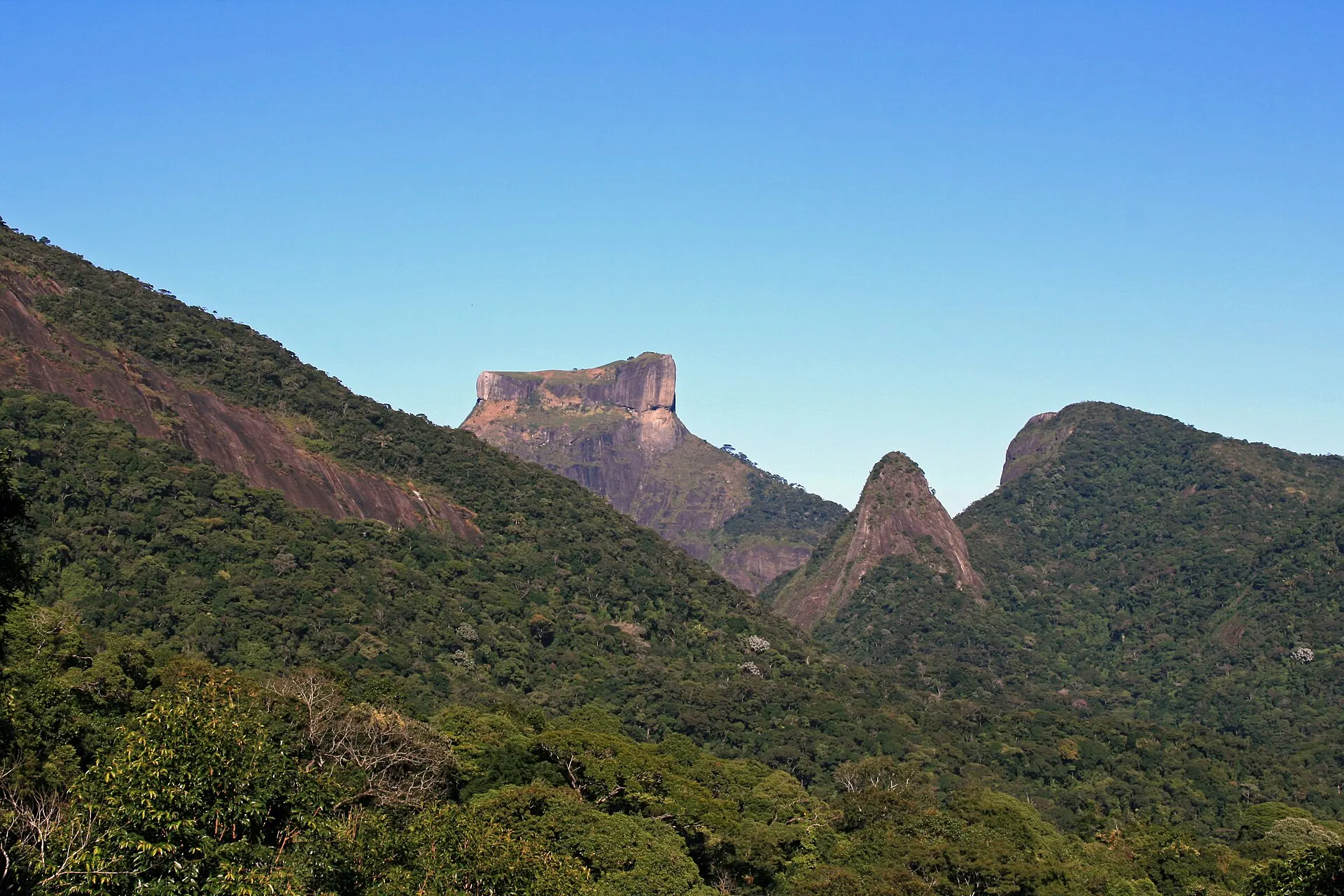
The park is split into three areas you can visit. The Floresta sector, entered at Praça Afonso Viseu in Alto da Boa Vista, is the old replanted forest, with the waterfall, the chapel, the lakes and the trails to the peaks. The Serra da Carioca sector holds Corcovado and Christ the Redeemer, the Paineiras road, Parque Lage, the Mirante Dona Marta, the Vista Chinesa and the Mesa do Imperador. The smallest, Pedra Bonita and Gávea, has the hang-gliding ramp and the Pedra da Gávea, which rises to more than 800 metres.
In the Floresta sector, begin at the visitor centre, built in 2001. Its permanent, interactive exhibition, Uma Floresta na Metrópole, takes you through the original forest, the years of farming and the creation of the park, with a scale model of the park, and you can pick up information there on what to do that day. The Floresta entrance is about 40 minutes by car from Copacabana outside rush hour.
Cascatinha Taunay, Capela Mayrink and the lakes
The road in from Praça Afonso Viseu soon reaches the Cascatinha Taunay, the highest waterfall in the park, fed by the Tijuca and Conde rivers and their tributaries. The name recalls the French painter Nicolas Antoine Taunay, who built a small house beside the falls in 1817; it was demolished in 1946. In front of the falls stands a stone bridge with a Roman arch, commissioned from the engineer Job de Alcântara in 1860. You can swim in the natural pool named after Alcântara, just below the bridge, though not under the falls themselves.
Further in, the small pink Capela Mayrink was built in 1855 by the Visconde Antônio Alves Souto, owner of the Fazenda Boa Vista, as Nossa Senhora de Belém. It took its present name after the land was sold to Conselheiro Francisco de Paula Mayrink in 1896. The altar holds copies of four paintings by Cândido Portinari, whose originals are in the care of the Museu Nacional de Belas Artes. The chapel opens daily from 2 to 4 pm, with Mass at noon on the first Sunday of each month.
On the way out, about 3.5 km from the entrance, the Açude da Solidão is the best-known lake in the sector. It was once a swamp called Lagoa dos Porcos, where wild pigs came to drink, and takes its name from the Barão do Bom Retiro, who went there to be alone after losing his son in the Paraguayan War; Roberto Burle Marx later turned it into a garden. Bom Retiro itself is the picnic area, with play equipment, tables, toilets and parking. Barbecues aren't allowed.
Pico da Tijuca and the other peaks
The Pico da Tijuca is the park's highest point at 1,022 metres, and its summit plateau gives you a 360-degree view of the city. The trail must be started by 2 pm so there's time to get back before the park closes; wear proper walking shoes and carry water. Bom Retiro is where many walkers begin the Circuito dos Picos, a 19 km loop over the ten main peaks of the Floresta sector.
Two more summits sit in the Pedra Bonita and Gávea sector: the climb up the Pedra da Gávea must begin by 2 pm, and the walk up Pedra Bonita by 4 pm. The park is also crossed by the Transcarioca, the longest urban trail in Brazil, conceived by the environmentalist Pedro Menezes. For the summit hikes we'd book a guide through our concierge, who will know the turnings and read the weather.
Vista Chinesa and the Mesa do Imperador
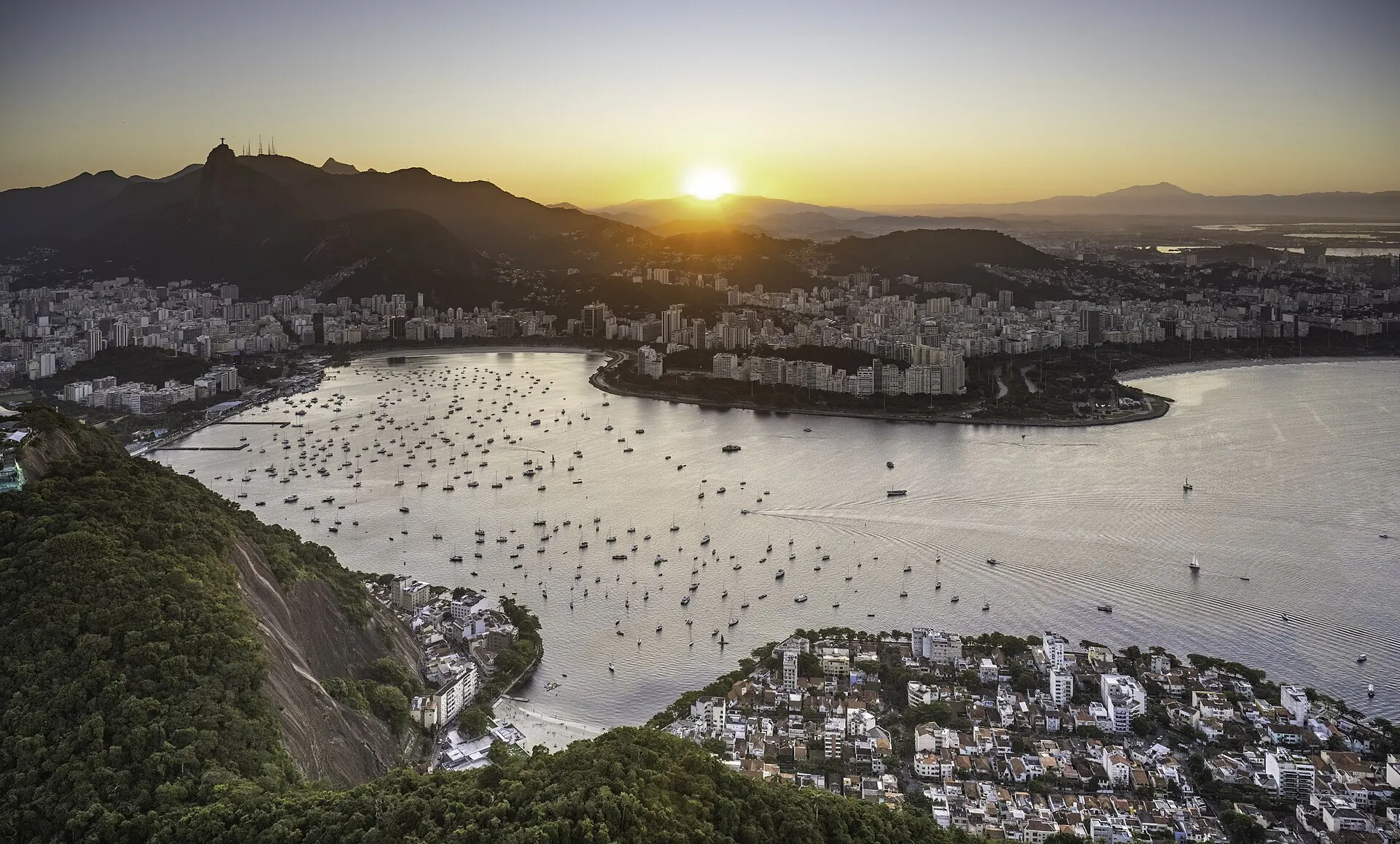
On the Serra da Carioca side, the Vista Chinesa is the lookout most people know from photographs: a pagoda built between 1902 and 1906 in honour of the Chinese who brought tea growing to Brazil in the early 19th century, looking down over the whole South Zone and the Lagoa Rodrigo de Freitas. On the same road, which links the Horto to Alto da Boa Vista, the Mesa do Imperador was where nobles and wealthy families held country lunches, and where Dom Pedro II stopped on his walks in the forest.
Without a car, take bus 409 along Rua Pacheco Leão to the end of the line in the Horto, then walk or cycle up the road. By car from Alto da Boa Vista you follow the Estrada Dona Castorina, which is closed to vehicles from 7 to 9 am on weekdays and from 7 am to 7 pm on weekends and holidays. Our guide to Rio's viewpoints puts the Vista Chinesa beside the city's other lookouts.
Wildlife in the forest
Keep an eye on the canopy. The forest holds 226 bird species, toucans among them, along with 63 species of small and medium-sized mammals, 39 amphibians and 31 reptiles. The coati is the park's symbol animal, and capuchin monkeys and sloths live here too. Larger animals such as the jaguar and the tapir disappeared from the park through hunting and the loss of their habitat. Feeding any animal is against the park rules, so keep snacks in your bag.
Opening hours and park rules
The park opens daily, generally from 8 am to 5 pm. In the Floresta sector you can walk or cycle in from 6 am, with last entry at 5 pm and everyone out by 6 pm. Cars and motorbikes enter between 8 am and 5 pm, and numbers are capped at 600 cars a day (300 in the morning and 300 in the afternoon) and 80 motorbikes, so arrive early at weekends. Hours can change in severe weather.
- No pets, no picking plants, no feeding animals, no offerings, no fires and no litter.
- Stay on the marked trails.
- Rocks around the waterfalls are often wet and slippery, so wear shoes with good grip.
- Mobile signal is weak in the forest, so arrange your ride back before you set off.
- In an emergency, call the fire brigade on 193.
Going with a guide or a jeep tour
Roads link the main sights, but the distances add up and the trails fork often, so a guide makes the day easier. Our concierge books half days in the forest with a guide, jeep tours and guided hikes, and can pair the forest with Christ the Redeemer or the Botanical Garden on the way back down. Back on Avenida Atlântica, the rooftop pool at ADV 001 looks out to Christ the Redeemer, at the edge of the park. To plan your days, contact us.
Questions
What are Tijuca National Park's opening hours?
Every day, the park generally lets people in between 8 am and 5 pm. In the Floresta sector, walkers and cyclists can enter from 6 am, the last of them going in at 5 pm and out by 6 pm, while cars are let in between 8 am and 5 pm. The Capela Mayrink opens only from 2 to 4 pm.
How do I get to Tijuca Forest from Copacabana?
The Floresta sector entrance at Praça Afonso Viseu, in Alto da Boa Vista, is about 40 minutes by car from Copacabana outside rush hour. Car numbers are capped each day, so a taxi, a ride app or a driver is easier than self-driving. For the Vista Chinesa side, bus 409 runs along Rua Pacheco Leão to the Horto, and you walk or cycle up from there.
Can you swim at Cascatinha Taunay?
Yes, in the natural pool named after the engineer Job de Alcântara, just below the stone bridge in front of the falls. Swimming under the waterfall itself isn't allowed.
When should I start the Pico da Tijuca hike?
Early. The trail to the 1,022-metre summit must be started by 2 pm so you're back before the park closes. Take water and proper walking shoes, and consider a guide: the forest trails fork often, and our concierge can arrange one with transport from Copacabana.
Is Tijuca National Park good for children?
Yes, if you pick the right stops. Bom Retiro has play equipment, picnic tables and toilets, the visitor centre has an interactive exhibition about the forest, and the Cascatinha Taunay and the Vista Chinesa can be visited without a long hike. Save the summit trails for older children who are used to walking.
Sources
- Parque Nacional da Tijuca (ICMBio): home page, hours, sectors and rules
- Parque Nacional da Tijuca: history
- Parque Nacional da Tijuca: visiting rules since 16 April 2024
- Parque Nacional da Tijuca: Floresta sector places
- Parque Nacional da Tijuca: Serra da Carioca sector places
- Parque Nacional da Tijuca: Cascatinha Taunay
- Parque Nacional da Tijuca: Capela Mayrink
- Parque Nacional da Tijuca: Açude da Solidão
- Parque Nacional da Tijuca: Bom Retiro
- Parque Nacional da Tijuca: visitor centre
- Parque Nacional da Tijuca: Pico da Tijuca
- Parque Nacional da Tijuca: Vista Chinesa
- Parque Nacional da Tijuca: Mesa do Imperador
- Parque Nacional da Tijuca: the Barão d'Escragnolle's house (Os Esquilos)
- Parque Nacional da Tijuca: fauna